Decatur City Council Recap: Nov. 16, 2026
After 19 public speakers, the council voted 4–3 not to delay and then 6–1 to grant Tallgrass an easement for a natural gas line under Lake Decatur. It also heard a clean 2025 audit and an update on the budget.
The Decatur City Council met Monday, Nov. 16, for just over two hours, with all seven members present. The main business was a natural gas pipeline that Tallgrass, through its subsidiary Rockies Express Pipeline LLC, plans to run beneath Lake Decatur. The council approved an easement for it, 6–1, after voting 4–3 against delaying the decision. It also heard the city's 2025 audit, an update on the comprehensive plan and the latest on the 2027 budget, then went into closed session.
Easements, community benefit agreements and audit terms are explained in The Breakdown tab.
Public comment
Nineteen people spoke, most about the pipeline.
For the pipeline. Nicole Bateman of the Economic Development Corporation of Decatur and Macon County said Tallgrass is investing about $90 million, with an estimated $115 million in total economic impact, about $6 million in state and local taxes, and more than 600 construction jobs. Speakers from the Decatur Regional Chamber of Commerce, the Illinois Manufacturers' Association and Laborers Local 159, along with Rev. Courtney Carson and resident Brett Robertson, said reliable energy is essential to keeping and attracting employers. Two union members said their members live in Decatur and drink the lake water too.
Against, or asking for delay. Verlyn Rosenberger asked the council to wait for the outcome of the POWER Act, a state bill to restrict new data centers and power plants. Stephanie Brown asked five questions. Among them: whether the federal environmental review considered ADM's underground carbon storage nearby; why the federal review cited up to 150 jobs while city materials cited 600; and why the city did not comment during the federal comment period that ended Jan. 12. She also read from the city's own staff memo, which says the effect of natural gas leaking into lake water "is not fully known." Tim O'Connor asked for an independent risk study. Susan Renee Frey, a nurse, raised emergency preparedness. Cherry Johnson asked the city to explain the risks and benefits in plain terms.
ADM. Two ADM executives spoke. Jason Stair, responding to a council request, described the company's safety programs. Matt Hopkins announced five projects totaling more than $60 million at ADM's Decatur west oilseeds plant.
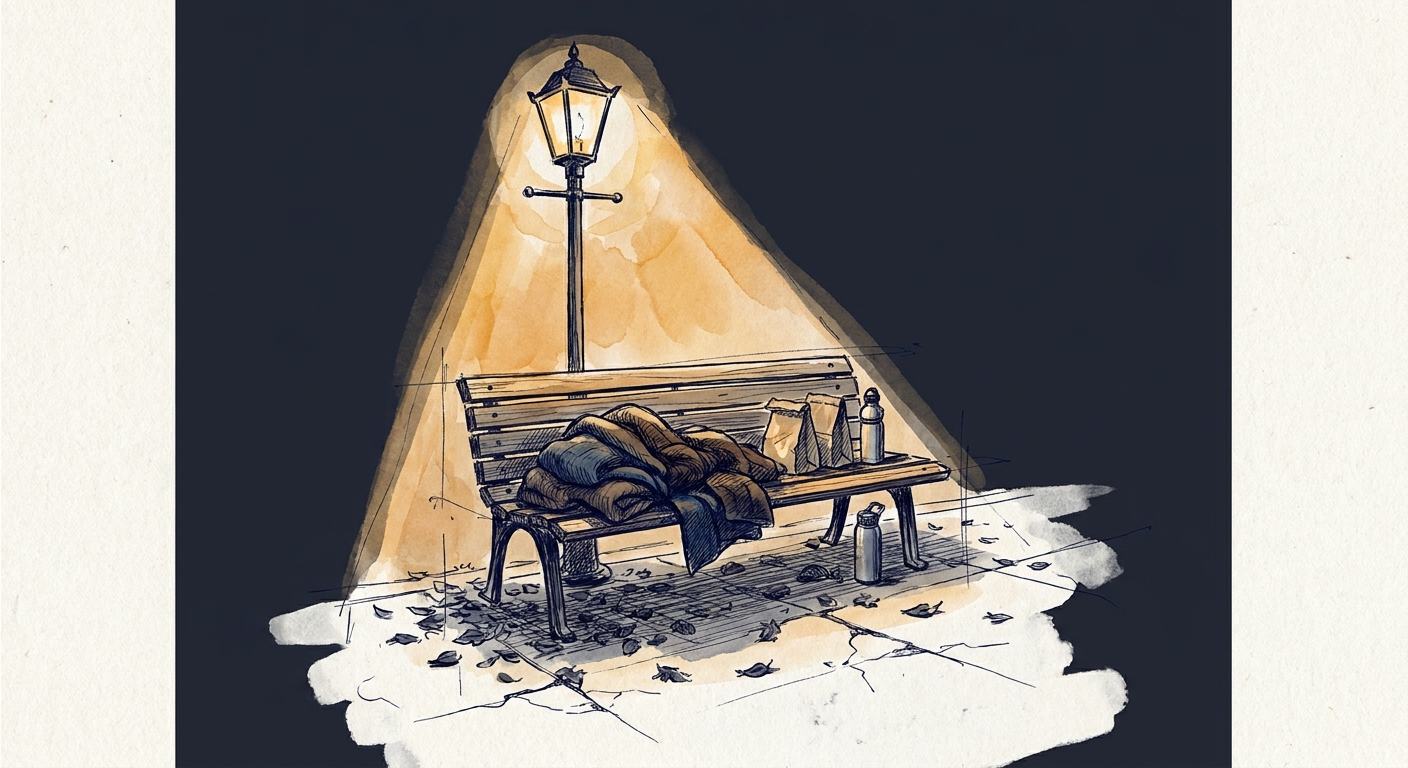
Oasis. Mark Scranton, president of the Macon County Health Department board, said it had been more than 50 days without a plan from Heritage Behavioral Health Center. He asked the council to send Heritage's CEO and board a letter of no confidence, and said the health department board would discuss a plan the next night. Jeffrey Mueller said Macon County's latest point-in-time count found 144 people experiencing homelessness. He said only one of the more than 40 Continuum of Care agencies has joined volunteers' daily outreach. Anne Owens described families bringing lunches to the park.
Also: Sherry Evans objected to a city limit on patio furniture in her yard, and Abir Motian asked again to be put on the ballot for mayor.
 AI illustration
Responses. Gregory thanked the volunteers and said four council members now support hiring an outside consultant to review local social services for gaps and duplication. Horn listed services that are open now: Homeward Bound's 24/7 line, lunches at Good Samaritan Inn, showers at the Salvation Army, and daytime hours at Water Street Mission. He said the Continuum of Care's housing waiting list has grown from about 100 people in 2022 to about 200. Cooper said city attorneys confirmed the easement does not cover carbon dioxide. Cruz said the council should have held a study session before voting.
The pipeline easement
 AI illustration
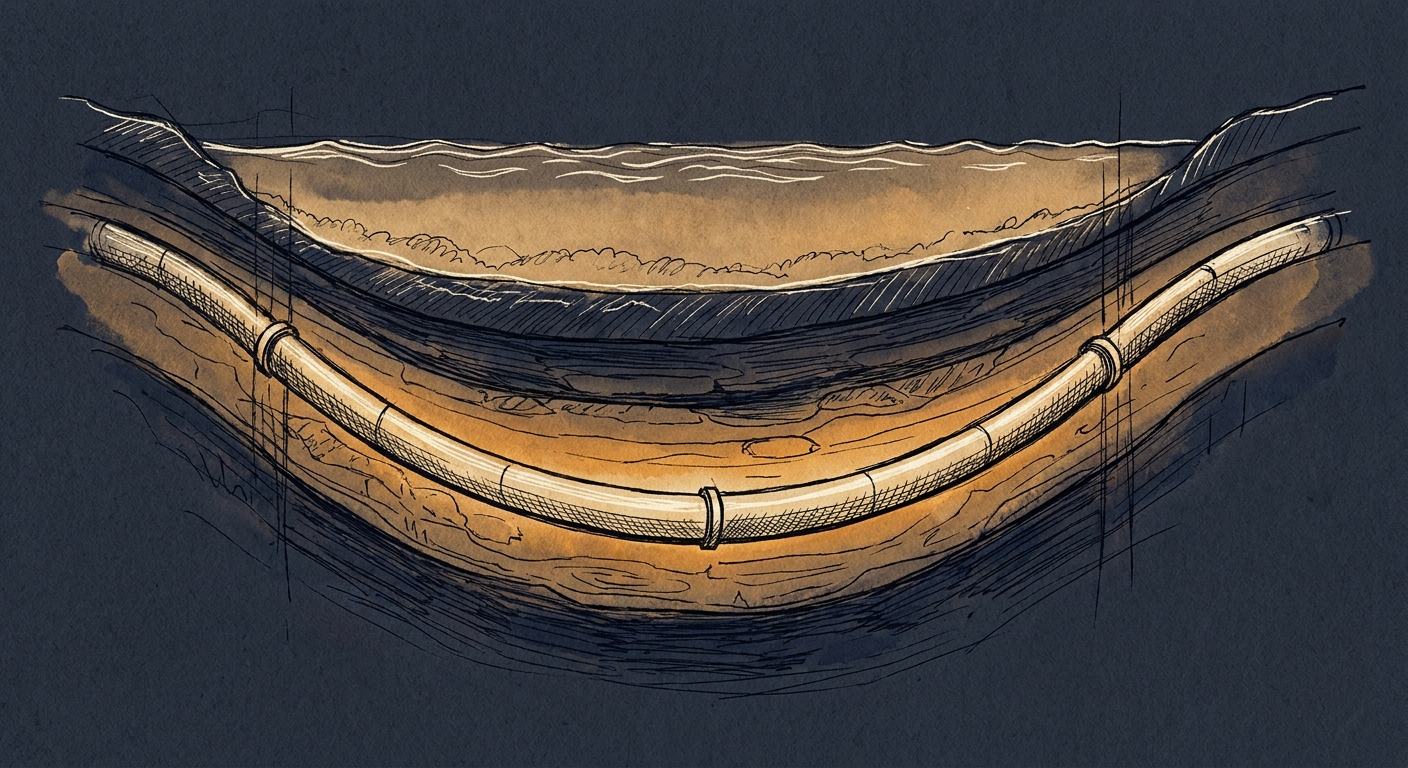
Hahn said the 20-inch natural gas line, called the Decatur Lateral, would run about 120 feet below the lakebed. It would join six water mains, four sewer mains, two gas mains and two fiber lines already under the lake. The city will be paid $30,000 for the easement.
Mark Donnelly, Tallgrass's project director, told Horn that the pipe under the lake will have thicker walls and extra coating, will be pressure-tested with water for eight hours before use, and will be monitored around the clock. Automatic valves at both ends and in the middle would close if pressure drops. He said pipelines elsewhere are typically buried 4 to 5 feet deep, and that Tallgrass now holds easements for 87% of the route. Asked whether the city could detect a leak independently, Public Works Director Matt Newell said the water plant tests water nearly hourly, but "I just don't have a good answer for your question."
Horn moved to table the vote until the community's questions could be answered and the POWER Act's fate was known; Cooper seconded. Gregory opposed, saying members who wanted answers could have attended Tallgrass's briefings. Cruz said she had sent questions to the city the week before and received answers only that morning. The motion to table failed 3–4 (Cruz, Horn and Cooper for; McDaniel, Cole, Gregory and Moore Wolfe against).
Horn then said he supports the easement, citing the pipeline's depth and pipe strength. He said that, as an ecologist, he sees carbon capture as part of reducing emissions, and that the drinking water of 68,000 residents depends on the project's success. The easement passed 6–1, with Cruz voting no.
 AI illustration
Community benefit agreement. A separate agreement for a one-time $250,000 payment from Tallgrass for neighborhood revitalization passed 6–1, Cruz voting no.
The 2025 audit
Tom Sewicki of Sikich, the city's auditor, said the city received a clean ("unmodified") opinion on its 2025 financial statements. The auditors found two material weaknesses, in year-end financial reporting and grant reporting. Control deficiencies fell from seven to three, and the auditors made 40 year-end adjustments, fewer than the year before. Asked by Horn whether that is normal, Sewicki said 40 is "more than what we would be looking for" but not out of the norm for a city this size, and that the issues are in year-end accounting entries, not day-to-day controls. No vote was required.
Finance Director Michelle Anderson reported $27.2 million in the general fund at the end of October, about $6.6 million above the city's 75-day reserve target. She said the current surplus is expected to shrink as year-end spending comes in.
Budget and other business
Hahn said most council members want to hold the levy flat at $16.7 million. Staff closed the $2.45 million general fund gap by delaying vehicle, equipment and computer purchases, removing some requested positions, and planning to use this year's surplus. The draft general fund is $103.7 million; all funds total about $302 million. A recycling fee increase from $2.50 to $2.84 a month will be proposed for January. Gregory called the cuts "kicking the can down the road." Horn asked for a year-end surplus projection and a red-line version of the budget, which Hahn said would come before Thanksgiving. Cruz questioned paying a consultant to review social services; Cooper said the council should discuss it as a group.
Kevin Garcia of McKenna, the city's planning consultant, said the comprehensive plan survey has more than 1,100 responses and draft focus areas include safety, housing, youth and transportation. A new zoning code begins in 2027. Asked by Horn, he said zoning changes for affordable housing could be made before the plan is finished.
Votes. Building-permit fees will be waived for registered local nonprofits starting Jan. 1, 2027 (7–0). The consent calendar passed 7–0: a Dennis Avenue water main contract, the 2027 regional dispatch center fees, an IDOT grant agreement, mapping software renewal, and rezoning on East Grand Avenue. The Nov. 2 minutes were approved 6–1, Cruz voting no. The council then went into closed session to discuss buying or leasing property.
By the numbers
What it means
Decided: a pipeline easement under Lake Decatur for Rockies Express (Tallgrass), and a $250,000 community benefit agreement; building-permit fee waivers for nonprofits; the consent calendar.
Heard, no vote needed: the 2025 audit (clean opinion, two material weaknesses); the October treasurer's report; the comprehensive plan update.
Still to decide: the 2027 budget (Dec. 7) and levy (Dec. 14); the recycling fee; an outside review of social services.
How to read The Breakdown
The Recap tells you what happened. This tab explains it: how the meeting works, what the government and technical terms mean, and what each decision does and does not do. Nothing here goes beyond the meeting record except plain definitions.
How to read a council meeting
Who decides. Decatur has a council–manager government. Seven elected members, including the mayor, set policy by vote. An appointed city manager runs day-to-day operations.
Appearance of Citizens opens each meeting: up to three minutes per speaker, and no response from council or staff until everyone has spoken.
Resolutions direct or authorize staff to act. Ordinances change city law. The consent calendar bundles routine items into one vote; any member can pull an item out.
Closed (executive) session is a private meeting the Open Meetings Act allows only for listed topics, such as lawsuits, personnel, or buying property. No votes can be taken in it.
The pipeline
Jargon decoder: pipeline
 AI illustration
- Easement
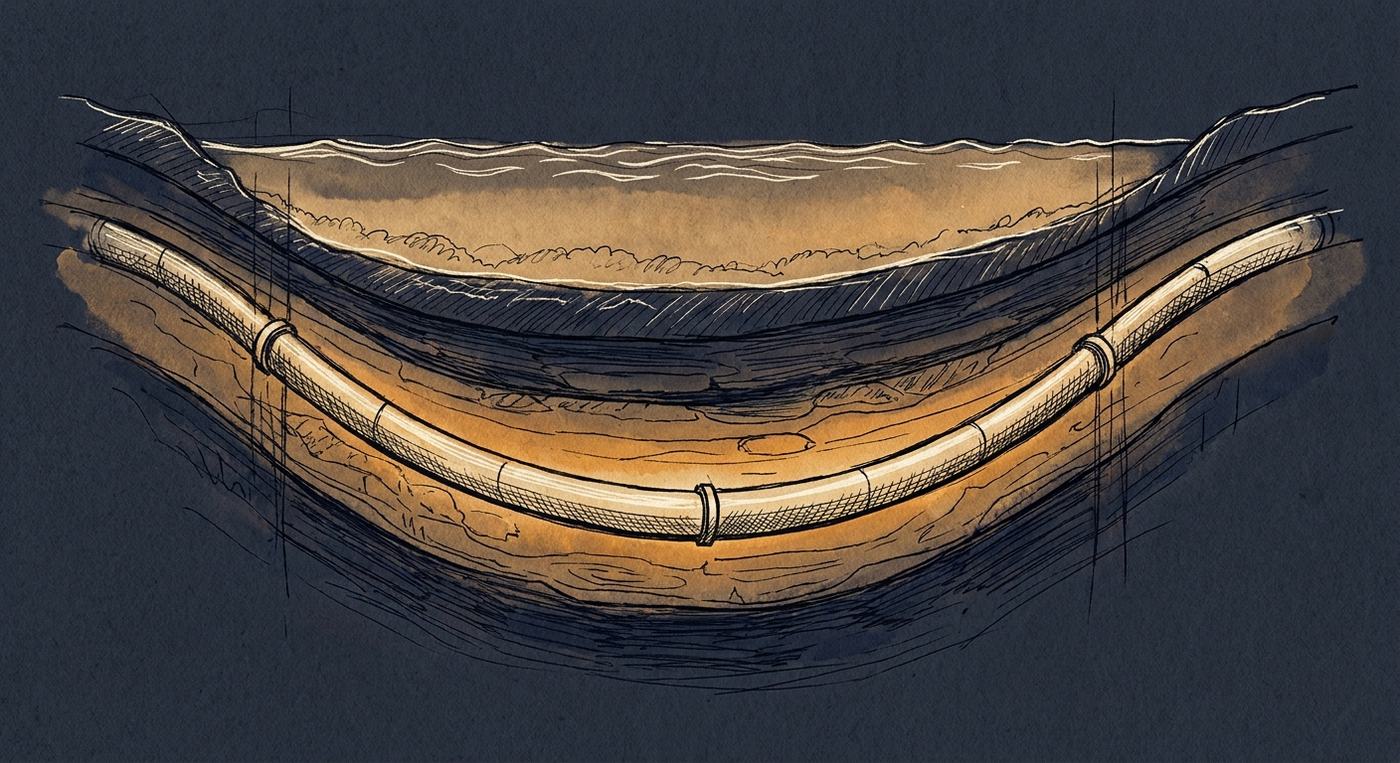
Permission to use someone else's land for a specific purpose while they keep owning it. The city owns Lake Decatur; the easement lets Tallgrass place and maintain its pipe under it. The company now holds rights to that strip for the pipe's life.
- Lateral
A branch pipeline that carries gas from a large interstate line to a local area. The Decatur Lateral connects the Rockies Express system to Decatur's industrial customers.
- Horizontal directional drilling
Boring a long curved path underground and pulling pipe through it, so nothing is dug in the lake itself. It is how pipe can run 120 feet below a lakebed.
- FERC review
Interstate gas pipelines are approved by the Federal Energy Regulatory Commission, which prepares an environmental assessment and takes public comment. The city's vote was only on its own land.
- Motion to table
A vote to set an item aside without deciding it. If it passes, the item waits; if it fails, the council proceeds to the main vote.
Jargon decoder: carbon storage
- Carbon capture and storage (CCS)
Capturing carbon dioxide from an industrial plant and injecting it deep underground for permanent storage. ADM does this near Lake Decatur. The new gas pipeline is a separate project, and Cooper said city attorneys confirmed the easement does not allow CO2.
- Community benefit agreement
A voluntary agreement in which a company pays or provides something to a community alongside a project. This one is a one-time $250,000 payment for neighborhood revitalization.
What it means: the council granted Tallgrass the right to run its gas line under the city-owned lake. Federal approval of the pipeline itself was a separate process. Questions raised in public comment, about carbon storage, the job counts and independent leak detection, were not all answered on the record.
Audit terms
Jargon decoder: audit
- Unmodified (clean) opinion
The auditor's conclusion that the financial statements are fairly presented. It is the best result an audit can give.
- Material weakness
A gap in accounting controls serious enough that a significant error might not be caught. Here, the auditor said it was in year-end entries, not daily spending.
- Audit adjustment
A correction the auditor makes to the books at year-end. Fewer adjustments generally means cleaner bookkeeping.
- Single audit
An extra federal review required when a government spends $1 million or more in federal grants in a year.
- 75-day cash reserve
The city's target of keeping about 75 days of general-fund operating costs in cash. In October that target was $20.4 million.
Budget and planning terms
Jargon decoder: budget
- Holding the levy flat
Asking property owners for the same total as last year. Because property values rose, the rate falls, and the rest of the city's pension and debt costs come from the general fund.
- Deferring purchases
Delaying planned purchases, such as squad cars or computers, to balance this year's budget. Those costs come back in a later year.
- Comprehensive plan / charrette
A long-range plan for land use and growth. A charrette is an intensive multi-day public design workshop held to develop it.
- Open Meetings Act 2(c)(5)
The section that lets a council meet privately to discuss buying or leasing property, so the price isn't affected. Any final decision must be voted on in public.